
Keynote Speakers
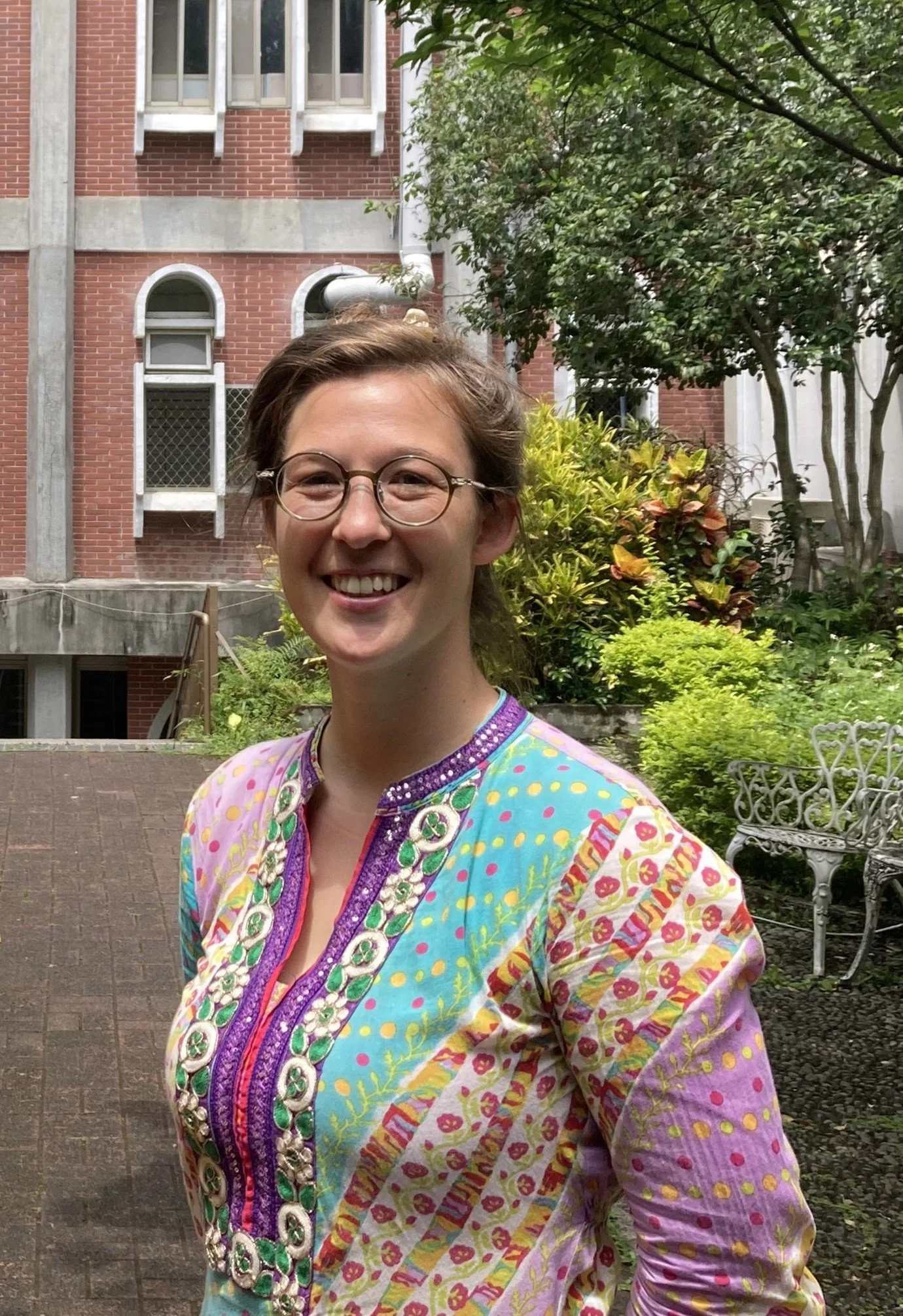
Sophie Nuber
Sophie Nuber was born in 1990 in Hollerich, Luxembourg City, to a German mother and a Luxembourgish father. She attended Spillschoul in Hollerich and later the Frai Waldorfschoul op dem Limpertsberg. In 1998, life took an unexpected turn, and she moved to Stuttgart, Germany with her single mother and two brothers.
Academic studies
After completing her Abitur, Sophie set out to study the natural laws governing anthropogenic climate change. As no dedicated program existed, she began studying Environmental Science and Environmental Hydrology at the University of Freiburg. She soon realised that an essential part of the climate system was missing from the curriculum: the oceans. She therefore collected scientific student funds, and continued her education at the University of Sydney, Australia, specialising in marine and coral reef science. Her local experience with Indigenous Australians raised questions about how less privileged societies respond to climate change, leading her next to the International Livestock Research Institute in Nairobi, Kenya. Combining merits from institutions and graduating with a Bachelor in Science enabled her to pursue a Master of Science in Climate Change at University College London. Supported by the Studienstiftung des Deutschen Volkes, she completed her degree, including a research visit to the Woods Hole Oceanographic Institution in the USA.
Becoming a professional Scientist
Sophie designed her PhD on past atmospheric CO₂ variability and climate change across Cardiff University and the University of St Andrews in the UK. Securing additional funding allowed her to conduct extracurricular research on ancient coral reef processes at the University of Nagoya, Japan. Her postdoctoral studies brought her to subtropical Taiwan diving and recording the local reefs to identify drivers of coral bleaching, as well as Seattle in the USA where she researches the processes that drive marine heat waves.
Life as a Scientist
Today, Sophie is internationally recognised for her paleo-climate research and her novel approaches in researching climate change with diverse interdisciplinary working groups. Her discoveries include new climate tipping points and climate-ecosystem interactions. She has attended the G7 Summit as one of the youngest female scientific advisers and accepted the Knowledge CRUI Award of the G7 on behalf of Malala Yousafzai. She was also the youngest keynote speaker at Taiwan’s Falling Walls Lab event in Taipei.
Art and Science
Sophie communicates science through podcasts and professional art projects, collaborating with artists, educators, and schools worldwide. She and her work have featured in Télécran and the Luxemburger Wort, and she is currently developing a new art–science project on corals and climate change with a Luxembourg-based artist.
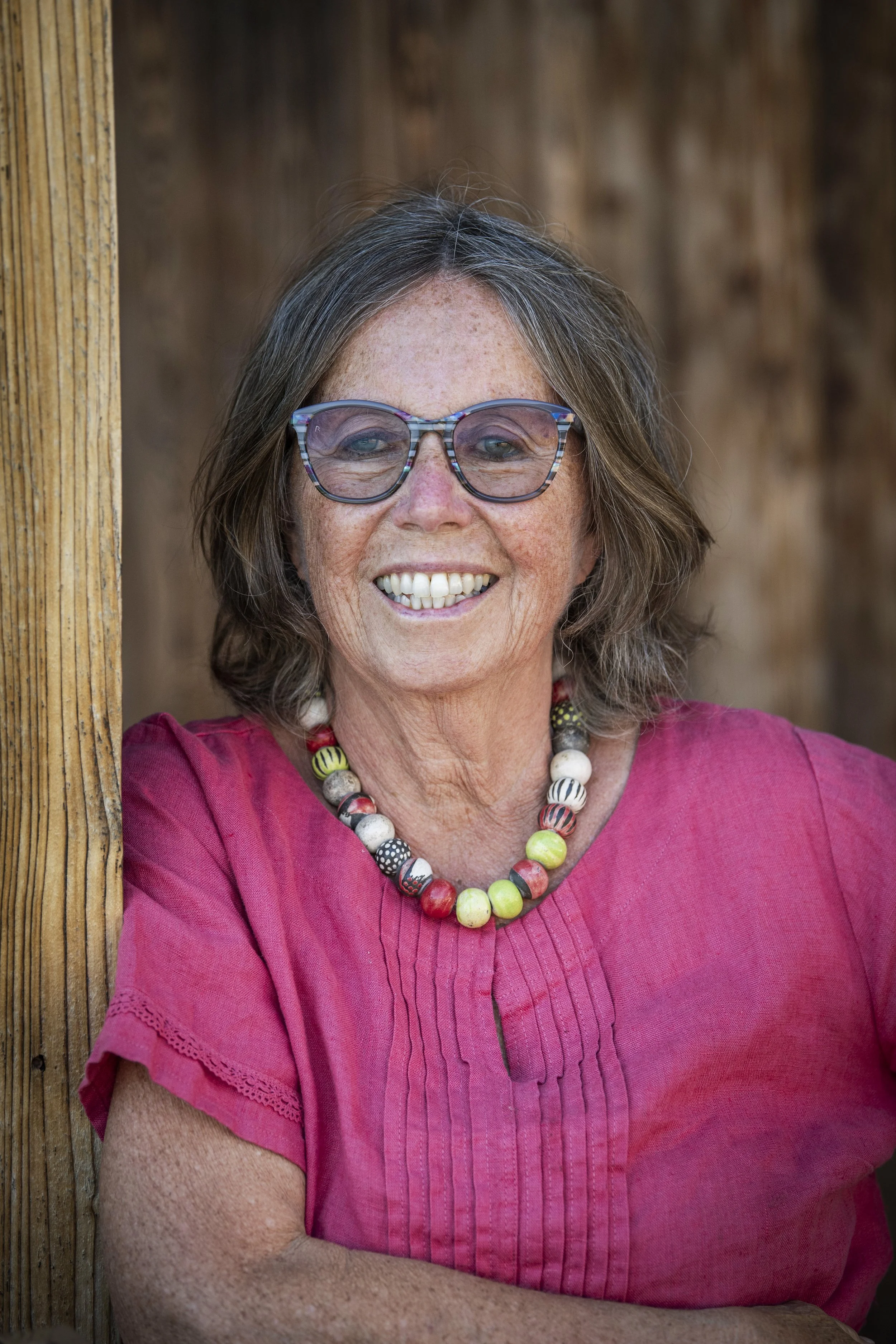
Renée Schroeder
Renée Schroeder was born in João Monlevade, Brazil, in 1953. After spending one year in Luxembourg (1966), she moved to Austria in 1967.
Academic and Professional Career
She studied Biochemistry at the University of Vienna, graduating in 1981. This was followed by postdoctoral studies at the University of Munich, the C.N.R.S. in Gif-sur-Yvette (France), and the New York State Department of Health. After the births of her sons in 1983 and 1985, she took up a group leader position at the Department of Microbiology and Genetics at the University of Vienna in 1989. From 2007 until her retirement in 2018, she served as Professor of RNA Biochemistry and Head of the Department of Biochemistry at the University of Vienna.
Research Focus
Renée Schroeder’s research focused on the functional and structural aspects of non-coding RNAs and on the role and mechanism of proteins exhibiting RNA chaperone activity. Her group utilized genomic SELEX in combination with deep sequencing to screen entire genomes in search of RNA aptamers that control transcription. She also served as Editor-in-Chief of the scientific journal RNA Biology.
Engagement and Awards
For over 30 years, Renée Schroeder has been strongly committed to the Public Understanding of Science and the promotion of women in science. She has served on numerous international boards and commissions. Her scientific contributions have been recognized with several awards, including the l’Oréal-UNESCO Special Award for Women in Science, the Eduard Buchner Award, and the Wittgenstein Award. She is also an EMBO member.
From Science to Nature
In 2018, she moved to Abtenau in the Austrian Alps and transitioned into farming. She founded a company for the production of medicinal herbs at the Leierhof (see www.leierhof.at), where she conducts research on the scientific evidence regarding the mode of action of wild alpine herbs.
Popular Science Publications
Renée Schroeder is also an accomplished author of popular science books (all published by Residenz Verlag):
Die Henne und das Ei (The Hen and the Egg) (2011)
Menschen, Zellen und Waschmaschinen (Of Humans, Cells, and Washing Machines) (2014)
Die Erfindung des Menschen (The Invention of Man) (2016)
During the COVID-19 pandemic, she wrote What is life, explaining the functions of RNA.
Her newest book, Wie Wildkräuter wirken (How Wild Herbs Work), which explains the science behind herbal compounds, was published in 2025.